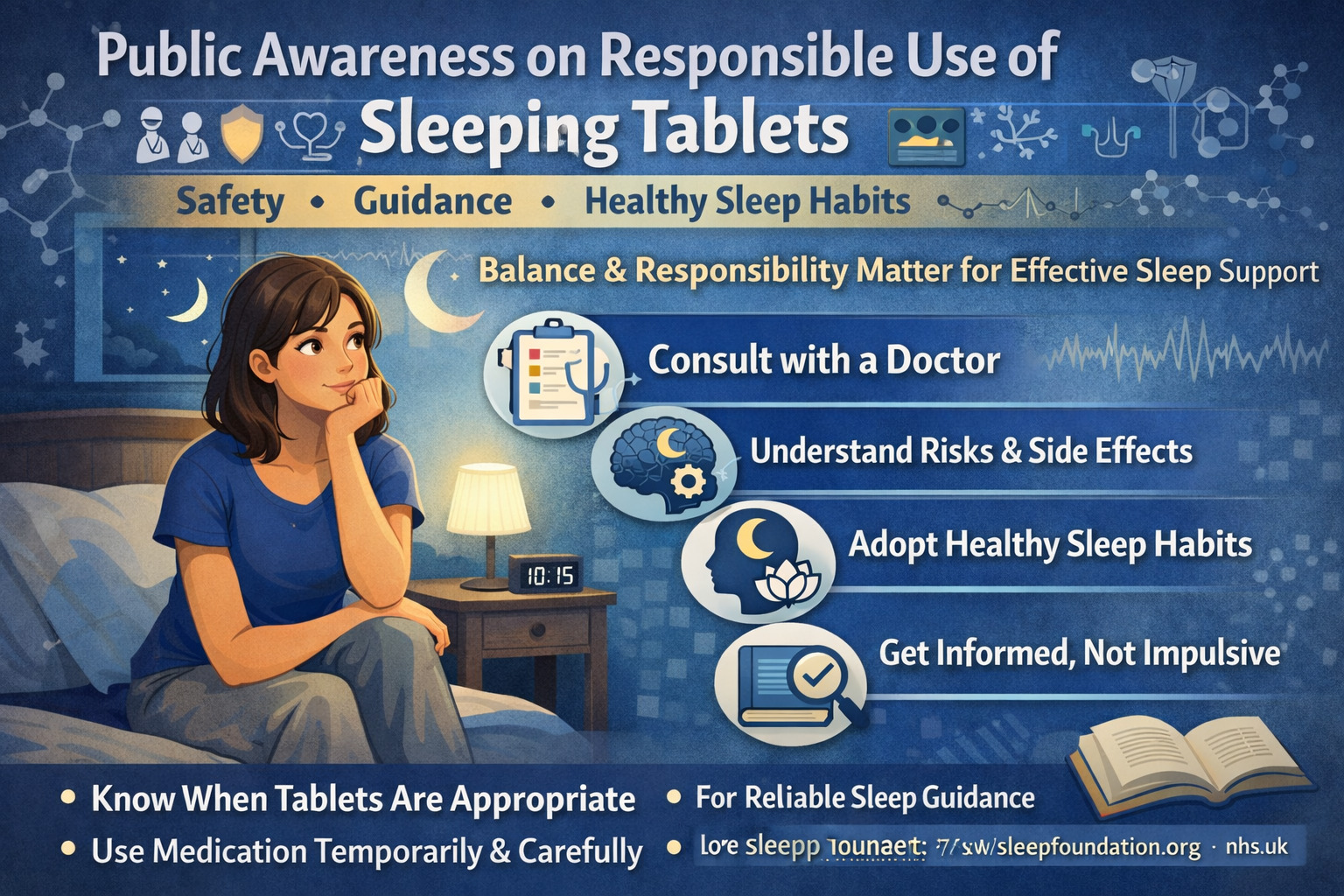

Quality sleep and stable mental health are closely connected. When sleep is disrupted, it affects mood, emotional balance, concentration, and overall wellbeing. Likewise, stress, anxiety, and depression can interfere with the ability to fall asleep or stay asleep, creating a challenging cycle. Supporting healthy sleep habits—through relaxation routines, balanced lifestyle choices, and, when needed, professional guidance—can significantly improve mental resilience. Understanding this relationship is essential for maintaining long-term health, improving daily functioning, and promoting a calmer, more restful mind.