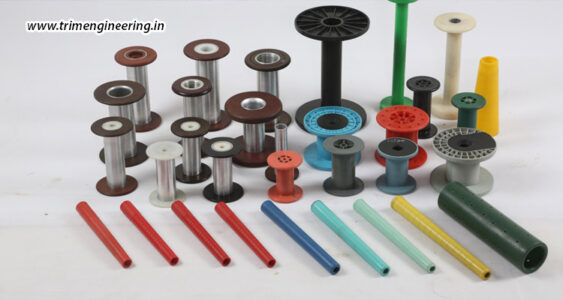
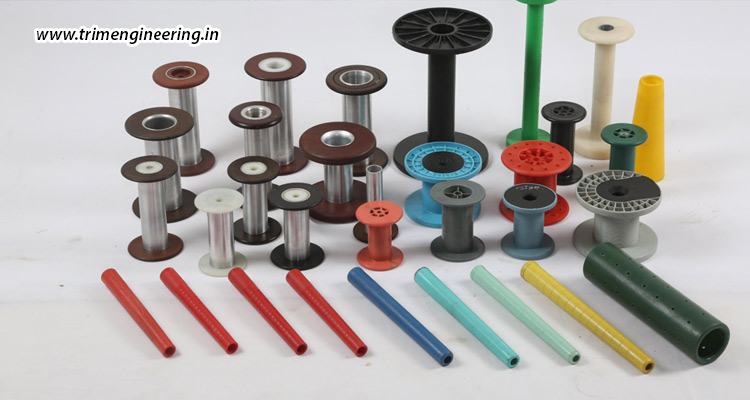

In textile manufacturing, achieving constant yarn tension and good winding quality are fundamental to guarantee defect-free production. While equipment and yarn characteristics are often paramount, the role of bobbin geometry is equally important. The shape and design of the bobbin directly affect how the yarn is wound, stored, and unwound, especially in high-speed operations such as twisting, doubling, braiding, and rope making.